Copyright © 2024 Luckpay. All rights reserved.
Uncategorized
How Does the UPI Four-Party Model Work?
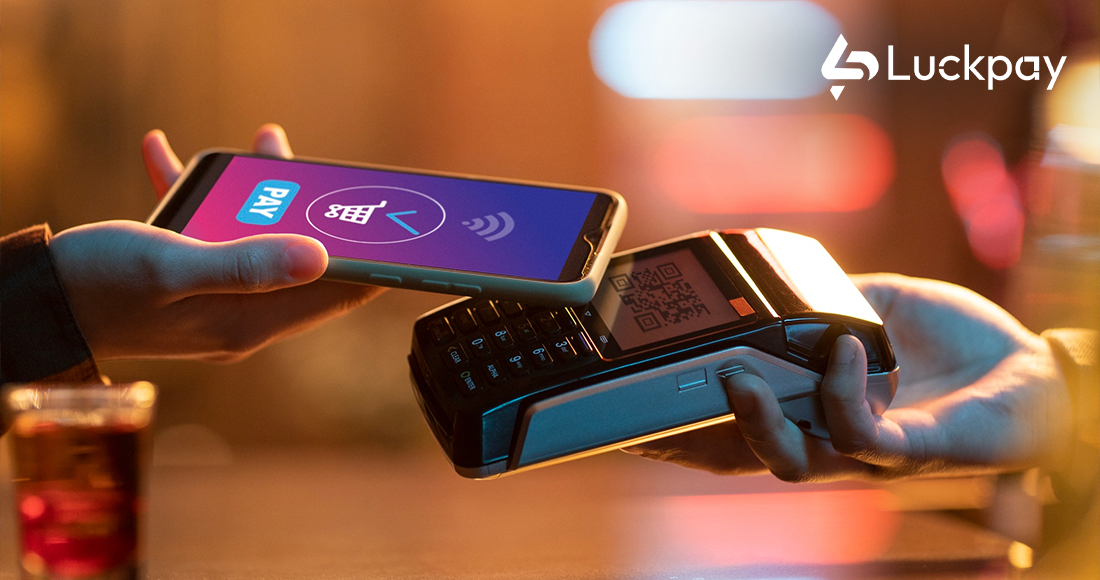
Have you ever wondered what goes on behind the scenes when you make a payment on UPI? It seems so simple — you enter a UPI ID, tap send, and voilà, the money is transferred instantly. But what’s really happening in the background to make this smooth and secure transfer possible? The answer lies in the UPI Four-Party Model.
But what exactly is the “Four-Party Model”? How do four different entities come together to facilitate your UPI transactions seamlessly? Let’s dive in and explore how this ingenious system works, and why it’s so crucial to India’s thriving digital payments landscape.
What Are the Four Parties in the UPI Transaction Model?
To understand how the UPI system works, we first need to break it down into four key players, each with a specific role in the transaction process. These four parties are:
1. Payer PSP (Payment Service Provider)
2. Remitter Bank
3. Payee PSP
4. Beneficiary Bank
But who are these players, and what exactly do they do?
1. Payer PSP: The Gateway to Your Payment
When you make a payment, the Payer PSP is the entity that provides you with the payment interface, typically through a mobile app or a UPI-enabled platform like Google Pay, PhonePe, or Paytm. This is the app you open to send money. The Payer PSP acts as your point of contact, securely initiating and verifying your payment request.
Curious Question: Ever wondered how your bank or app makes sure the payment is going through to the right person? Keep reading!
2. Remitter Bank: Your Bank’s Role in the Payment
Once the payment request is sent through the Payer PSP, it’s routed to the Remitter Bank—essentially your own bank. The Remitter Bank is responsible for verifying the funds in your account and making sure you have enough balance to complete the transaction.
Interesting Fact: If you have a joint account or multiple bank accounts linked to your UPI ID, your Remitter Bank ensures the correct account is debited for the transaction!
3. Payee PSP: The Receiver’s Interface
On the receiving side of things, the Payee PSP is the platform that your recipient uses to receive the payment. Similar to the Payer PSP, the Payee PSP offers the interface for the recipient to accept and view payments. This could be the same apps you use, like PhonePe or Paytm, or a bank’s UPI service. The Payee PSP’s job is to collect the payment and securely transmit it to the Payee’s bank.
Intriguing Thought: How does the Payee PSP know where to send the money once it arrives? Let’s move on!
4. Beneficiary Bank: The Final Destination of Funds
The final stop in a UPI transaction is the Beneficiary Bank. This is the bank where the recipient holds their account. Once the Payee PSP receives the payment, it’s routed to the Beneficiary Bank for settlement and credit to the recipient’s account. The Beneficiary Bank ensures the transaction is legitimate and completes the transfer of funds to the recipient.
Fun Fact: The Beneficiary Bank also checks the recipient’s details, like their UPI ID or bank account number, to ensure that the money reaches the right place.
How Does the UPI Four-Party Model Ensure Secure and Seamless Transactions?
Now that we know who the four key players are, let’s explore why this model is so effective at enabling secure, fast, and reliable transactions.
1. Redundancy for Security and Reliability
By splitting the roles into four distinct entities, UPI ensures that each part of the transaction is double-checked. While the Payer PSP and Remitter Bank validate your request and funds, the Payee PSP and Beneficiary Bank ensure that the payment is routed correctly and safely to the recipient. This built-in redundancy minimizes the risk of fraud or errors.
Did you know? If one link in the chain fails, the other parties can quickly resolve the issue and ensure your payment isn’t lost!
2. Instantaneous Transfers, Thanks to Real-Time Processing
The UPI Four-Party Model is optimized for real-time transactions, meaning funds are transferred almost instantly. With each party playing its role without delay, the payment process becomes fast and smooth, reducing waiting times typically seen with other forms of payment systems.
Ever experienced the thrill of sending money and watching it land in the recipient’s account in seconds? That’s the magic of the Four-Party Model at work!
3. Boosting Interoperability
Another fascinating feature of the UPI Four-Party Model is its ability to support interoperability. This means that no matter which UPI-enabled app you use or which bank you’re with, you can make transactions to any other UPI app or bank seamlessly. It doesn’t matter if you bank with ICICI, HDFC, or State Bank of India — the Four-Party Model ensures that your payment will be processed without a hitch.
How does UPI make it all work despite different platforms and banks? The magic happens because the system is designed for compatibility across the board, powered by the four-party structure!
4. Minimal Complexity, Maximum Efficiency
While this system involves four distinct parties, its structure keeps things remarkably simple for the user. You don’t need to understand the complexities of how each part of the process works. All you need to do is initiate the payment on your phone, and the system handles everything on its own. The ease of use is a result of efficient collaboration between these four parties.
Isn’t it fascinating that so many moving parts come together for a seamless user experience?
The Four-Party Model is Key to UPI’s Success
In an era where digital payments are becoming the norm, the UPI Four-Party Model ensures that transactions are secure, fast, and reliable. By dividing responsibilities among the Payer PSP, Remitter Bank, Payee PSP, and Beneficiary Bank, UPI creates a streamlined process that offers the best of both worlds: user convenience and system reliability.
Whether you’re sending money to a friend or paying for groceries, the next time you tap “send” on your UPI app, take a moment to appreciate the efficiency and security that the Four-Party Model brings to every transaction.
Ready to make your next UPI transaction? You’re now equipped with a behind-the-scenes understanding of how the system makes it all happen. Enjoy the convenience — and rest easy knowing your money is in safe hands!